
Course Process
What Companies, Organizations, or Products Should Be Included?
This depends on the purpose of each section, but generally:
In Market Feasibility:
- Direct competitors — companies offering the same or a substitutable solution
- Comparable products in adjacent markets that show demand patterns (even if not direct competitors)
- Benchmark organizations — companies of similar size/industry who’ve done something similar, used as a reference point for adoption or ROI expectations
In Technical Feasibility:
- Technology vendors being considered (software platforms, cloud providers, equipment manufacturers)
- Reference implementations — organizations that have deployed a similar solution, used as proof it’s technically viable
- Potential integration partners — existing systems/vendors the new project must work with
In Financial Feasibility: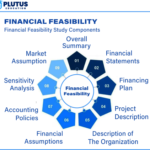
- Industry benchmarks — typical cost/ROI figures from similar projects or sector reports, used to sanity-check your own estimates
- Funding partners — banks, investors, or grant bodies if external financing is being considered
In Legal/Regulatory:
- Regulatory bodies relevant to the industry (e.g., FDA, SEC, local zoning boards)
 Legal/compliance advisors if external counsel was consulted
The general principle: only include organizations/products that inform a specific feasibility judgment — a comparator to validate demand, a vendor to validate technical viability, or a benchmark to validate cost assumptions. Padding the study with tangential competitor lists just to look thorough weakens it rather than strengthening it.